Report of the Board of Directors to the Congress of Colombia – July 2026
Pursuant to Article 5 of Law 31 of 1992, the Board of Directors of Banco de la República (the Central Bank of Colombia) submits a report to the Honorable Congress of Colombia, informing about the performance of the economy and its outlook. This report is submitted twice a year, in March and July, within ten business days following the start date of the sessions of the Congress.
During the first half of 2026, the Colombian economy continued to be affected by domestic and external price pressures, causing inflation to rise further away from the target. In response to this performance as well as to the increase in inflation expectations, Banco de la República raised the monetary policy interest rate. Economic growth and employment showed solid results, while the country maintained an adequate level of foreign reserves. Finally, Banco de la República successfully implemented Bre-B and reported positive financial results.

International uncertainty remains extremely high and continues to affect global economy
Conflict in the Middle East raised international prices for oil, natural gas, and fertilizers. This increased production and transportation costs, put upward pressure on prices in several countries, and led some central banks to maintain a cautious monetary policy stance. The evolution of this conflict remains one of the main risks to global economic growth.

A more uncertain international environment may affect inflation, interest rates, and economic growth in Colombia.
The Colombian economy continues to recover, albeit gradually
The nation’s economy grew during the first quarter of 2026, slightly above the level observed in the fourth quarter of 2025. This was driven by household consumption, public spending, and higher investment in machinery and equipment. However, investment in construction continues to show weak performance.

Economic activity continues to expand, although some sectors have not yet fully recovered.
Most regions grew in 2025, although at different rates
Bogotá and eleven departments grew above the national average, while most of the remaining regions recorded slower growth in economic activity. The differences across departments were associated with their productive structure: regions with stronger dynamism in trade, transportation, tourism, and services grew more, while those more dependent on mining and construction showed weaker performance.
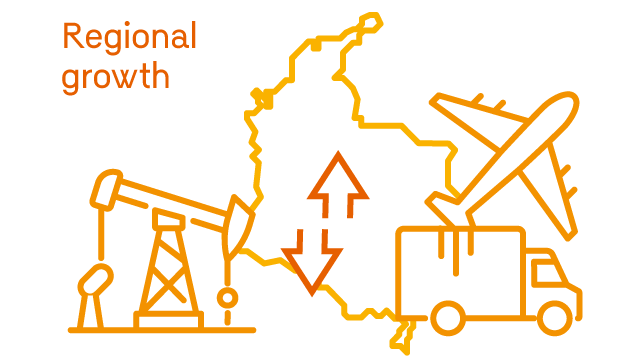
Regional growth was driven by different factors depending on the economic structure of each territory, and not all regions experienced the same growth dynamics.
The labor market continues strong
The national unemployment rate continued to decline and remained at historically low levels. Employment continued to grow, and although urban employment lost some momentum, rural employment offset this slowdown.
More people are employed, with rural areas standing out for their strong performance.
Inflation increased again and likely moved further away from the target
Annual inflation increased in June 2026. This increase was mainly driven by higher labor costs, persistent spending pressures, and certain supply shocks that primarily affected food prices. Inflation expectations also remain above the 3.0% target.
The cost of living is rising faster than it was a few months ago, and inflation expectations continue to remain above the 3.0% target. As a result, monetary policy has been adjusted to bring inflation gradually back to that level and keep it stable over time.
Banco de la República raised the monetary policy interest rate to help reduce inflation
During the first half of 2026, the Board of Directors raised the monetary policy interest rate by 275 basis points (bps), from 9.25% in December 2025 to 12.0% in June 2026, and kept it unchanged at its July meeting. These decisions are intended to contain price pressures, keep inflation expectations anchored, and support the gradual return of inflation to the 3.0% target.
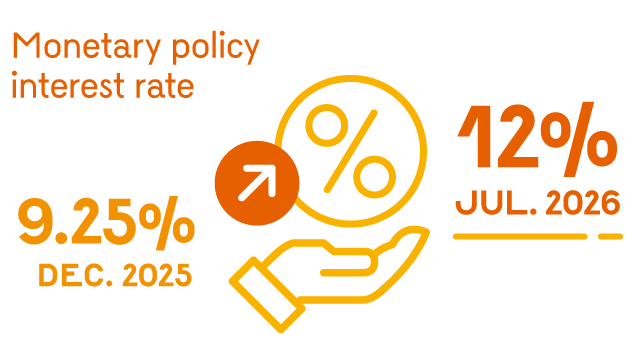
Maintaining low and stable inflation protects households’ purchasing power and contributes to sustainable economic growth.
Remittances continued to strengthen the inflow of resources into the country
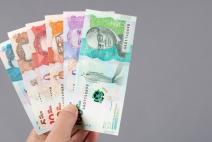
Remittance inflows remained at historically high levels during the first quarter of 2026 (USD 3.347 million) and, although they grew at a slower pace than in 2025, they helped to partially offset the current account deficit in the balance of payments. This performance reflects the strength of the labor market for Colombians living abroad and the important role of remittances as a source of household income.
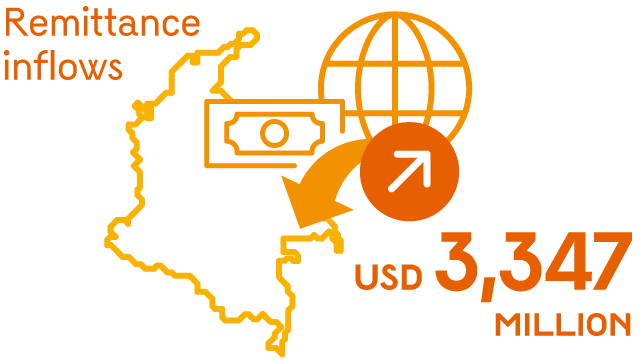
Remittances continue to be an important source of support for Colombian households and for the stability of the country's external accounts.
Colombia maintains an adequate level of foreign reserves
Foreign reserves stood at nearly USD 67 billion at the end of June, representing a USD 605 million increase vis-a-vis the level recorded at the end of 2025. As a result, they continue at a level considered adequate according to international standards and thus help the country withstand episodes of international uncertainty.
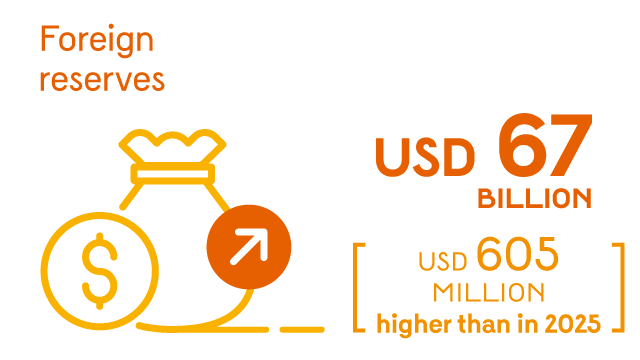
The Bank maintains an adequate level of foreign reserves, providing the country with a financial buffer against external shocks and periods of volatility.
Bre-B is making money transfers easier, faster, and more secure
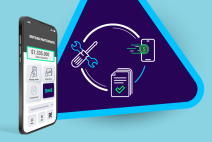
Banco de la República launched Bre-B, a system that enables fast and simple money transfers between different financial institutions in less than 20 seconds. As of June, the ecosystem had 109 million aliases, and 1.108 million transactions had been carried out.
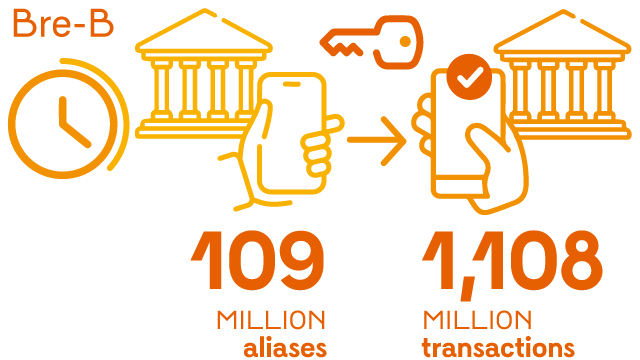
Since Bre-B became operational, it has been possible to transfer money instantly between different financial institutions, regardless of the institution where the sender’s or recipient’s account is held.
The Central Bank recorded profits during the first half of the year
Banco de la República recorded profits for COP 4.5 trillion during the first half of 2026, lower than those observed a year earlier. This performance was mainly explained by lower income from the investment of foreign reserves, due to increases in foreign interest rates.
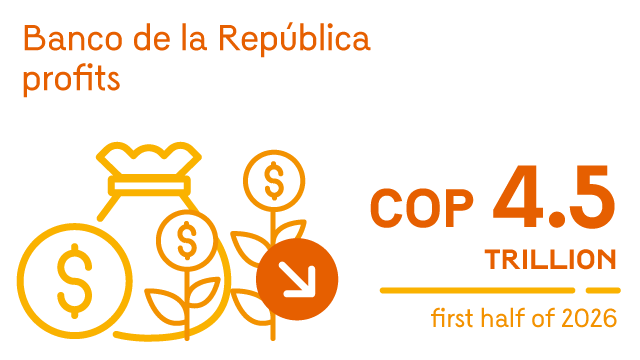
As the administrator of the country's foreign reserves, the Bank earns returns on its investments. These results may vary from one year to another depending on international financial markets’ conditions (see Box 4 of the Report to Congress, only in Spanish).
Index of Boxes from the Report
Recuadro 1. Fenómeno de El Niño
Recuadro 4. Las reservas internacionales y las utilidades del Banco de la República
 Reports
 Boxes
Boxes  Press Releases
 Presentations (only in Spanish)