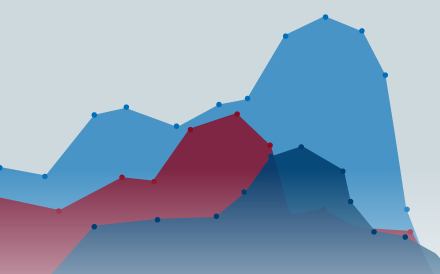
The average interest rates of the 90-day CDTs (DTFs) closely track the behavior of Banco de la República’s benchmark rate, indicating a direct and stable relationship between the two over the period analyzed. However, the interest rate on home purchase loans (mortgage rate) has followed a different path: during 2023 and 2024, this rate mirrored the benchmark rate’s downward trend, but as of year-end 2024, even as the benchmark rate continued to fall, the mortgage rate stabilized and began to rise when it was surpassed by the ten-year government yield, following closely behind.
Why did the mortgage interest rate stop following the benchmark rate as of the end of 2024?
As of the end of 2024, the interest rate on ten-year government bonds exceeded the benchmark rate and the mortgage rate. From that moment onward, the mortgage rate began to rise, closely following that of government bonds, because mortgages must offer returns at least comparable to those of government bonds for them to remain attractive for potential lenders. In other words, when the interest rate on government bonds exceeds that of loans, lenders must charge borrowers at least the equivalent of the government yield in order for loans to remain a competitive use of their funds compared to government bond purchases.
Related Blog BanRep: The Changing Relationship Between the Benchmark Policy Rate and Mortgage Rates in Recent Times

In recent discussions about Colombia’s macroeconomic environment, the weakening relationship between Banco de la República’s (Banrep) monetary policy rate (MPR, or the benchmark policy rate) and market interest rates has received comparatively little attention...