Financial Inclusion - Special Financial Stability Reports - First Half of 2020
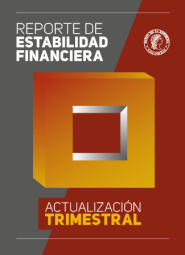
The main purpose of these reports is to monitor the vulnerabilities and risks of the financial system. Opinions and potential errors are the sole responsibility of the authors, and their contents do not compromise the Board of Directors of Banco de la República (the Central Bank of Colombia).
The Special Financial Stability Reports accompany the publication of the Financial Stability Report and provide a more detailed analysis of some aspects and risks relevant to the stability of the Colombian financial system: market liquidity risk, market risk, credit risk, financial burden, loan portfolio, and housing market in Colombia, international indicators, concentration, and competition in the deposit and credit markets, corporate sector surveys, and financial inclusion.
Financial inclusion is the process of integrating financial services into the daily economic activities of the population, which can contribute to economic growth as it reduces financing and transaction costs and offers secure and efficient management of resources both for households and companies. The measurement of financial inclusion encompasses different dimensions of access and use of financial products by households and companies, including coverage rates, transactionality, saving indicators, credit and insurance access, quality of products, and welfare.
In this report we present the background and achievements of the last few years about financial inclusion in the country. In addition, we analyze the forthcoming challenges in this area, and we make a description of the progress achieved within the framework of the Solidarity Income Program (Programa de ingreso solidario, or PIS in Spanish) implemented by the Government as part of the response to the current situation resulting from the impact of the Covid-19 pandemic.
2022 - First Half
2021 - segundo semestre
2021 - Second Half