Functions of Banco de la República (the Central Bank of Colombia)
Banco de la República is a unique public institution with administrative, patrimonial, and technical autonomy, responsible for performing central banking functions. According to the Political Constitution, the objective of monetary policy is to preserve the purchasing power of currency, in coordination with the general economic policy, which aims to stabilize output and employment at sustainable long-term levels. In performing this function, the Central Bank adopts the measures it deems necessary to regulate liquidity in the economy and to facilitate the proper functioning of the payment systems, while ensuring the stability of the value of currency.
The Central Bank’s special functions include the following: regulating currency, foreign exchange, and credit; issuing Colombian legal tender; foreign reserves management; serving as lender and banker to credit institutions; and acting as the Government's fiscal agent. Additionally, the Central Bank contributes to generate knowledge and promotes cultural activities in the country.
The Board of Directors of Banco de la República is the monetary, exchange rate, and credit authority in Colombia. As such, it is the body responsible for analyzing and adopting measures to:
- Ensure the stability and proper circulation of money,
- Ensure the smooth operation of domestic and international payments; and
- Regulate liquidity within the country’s financial system.

Monetary Policy
Monetary policy is the set of actions taken by Banco de la República to meet its main objective of keeping inflation low and stable to preserve the purchasing power of the Colombian peso, in coordination with the general economic policy.

Foreign Exchange Intervention Policy
As the foreign exchange authority, Banco de la República has the power to intervene in the foreign exchange market. Such intervention does not restrict exchange rate flexibility, is not intended to set or target a specific exchange rate level, and pursues objectives that are consistent with the inflation-targeting strategy.

Credit Policy
The Board of Directors of Banco de la República is Colombia’s credit authority. As such, the Central Bank has the power to use a series of instruments to regulate the activity of credit institutions. These measures aim to support stability and liquidity of the financial system, facilitate the transmission of monetary policy, and ensure the proper functioning of payments in the economy.
Foreign Reserves
Colombia's foreign reserves are managed by Banco de la República. This function must be carried out according to the public interest, for the benefit of the national economy, and to facilitate the country's payments abroad.

Lender of Last Resort (LOLR)
Banco de la República provides various services to financial institutions to support the financial system and help ensure the effective implementation of monetary policy. These services include providing temporary liquidity to preserve the stability of the financial system and ensuring the proper execution of daily payment operations in the economy.

Government’s Fiscal Agent
Banco de la República is authorized to support the Government in certain economic operations related to the management of its liquidity, payments, and financial portfolio, both in Colombia and abroad. These responsibilities are exercised without undermining the Central Bank's monetary policy functions and objectives.

Issuance of Colombian Legal Tender
Banco de la República is responsible for the production, issuance, provision, exchange, and destruction of the country's banknotes and coins, as per the Political Constitution and Law 31 of 1992. Consequently, it exercises the exclusive and non-delegable state function of issuing legal tender.

Contribution to the proper functioning of payment systems and provision of services to financial institutions
Banco de la República contributes to the proper functioning of payment systems by providing various services to financial institutions. Such services promote secure, efficient, and timely settlement of transactions. These include: deposit and settlement of securities; electronic funds transfers; opening and management of deposit accounts; and interbank clearing.

Contribution to Generating Knowledge
Banco de la República seeks to contribute to academic development, informed decision-making, and institutional strengthening of the country by promoting the generation and dissemination of economic and financial knowledge, as core component of its role the Central Bank of Colombia.

About Banco de la República’s Cultural Work
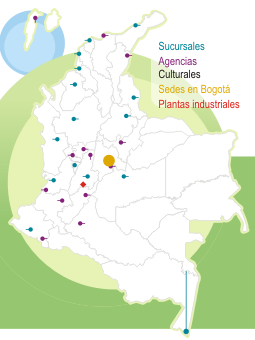
Banco de la República contributes to the proper management of the Nation's cultural heritage, represented in its bibliographic, archaeological, artistic, numismatic, and philatelic collections, as well as through its musical activity. This effort includes the preservation, research, and public access to these collections via its network of libraries, museums, and cultural centers across 29 cities in Colombia.

Additional Powers assigned to Banco de la República
There are other responsibilities assigned to the Board of Directors of Banco de la República, which are exercised within a framework of coordination with the financial and securities market regulatory powers vested in the National Government.