Seminario de Microeconomía Aplicada - Left in the Dust? Pecuniary and Environmental Externalities in Water Markets
El seminario de Microeconomía Aplicada del Banco de la República es un espacio para discutir los trabajos en progreso en las diferentes áreas de la microeconomía aplicada como economía del trabajo, organización industrial, economía de la salud, economía agrícola, economía de la educación, desarrollo económico, delincuencia, economía pública, economía ambiental, economía regional y urbana, entre otras. Está organizado por las sucursales de Cali, Cartagena y Medellín.
Resumen: The use of markets to reallocate water in arid regions has elicited political criticism for reducing agricultural output and causing negative environmental effects. We develop a general equilibrium model to formalize arguments about how liberalizing water trade creates pecuniary and environmental externalities, and then test the model’s predictions using synthetic control and difference-in-differences analysis of the largest ever water sale agreement in the United States. Our results show declines in agricultural employment and increased dust pollution in the water-exporting region. Back-of-the-envelope calculations suggest health costs due to increased PM 2.5 are high, but do not exceed transfer revenues.
Autores: Sherzod B. Akhundjanov, Eric C. Edwards, Muyang Ge, and Reza Oladi
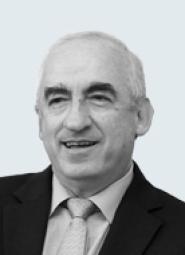
Acerca del expositor: Eric Edwards is an associate professor in the Department of Agricultural and Resource Economics at the University of California Davis. His research examines environmental and natural resource management institutions across a variety of resources, including ground and surface water, oil and gas, land, and fisheries. In the area of water resources, his work focuses on the incentives and impediments to groundwater users to establishing property rights, the effect of market institutions on water trading and welfare in the United States, Chile, and Australia, and the potential for water conservation markets to preserve ecosystems.
Tiempo de exposición: 1 hora y 30 minutos.
 Seminario virtual organizado por Cali, Medellín y Cartagena
 Comienzo 14:00 - Final 15:30
 Seminario virtual organizado por Cali, Cartagena y Medellín